Do I Need a Criminal Defense Lawyer?
If you are charged with a crime, a criminal defense lawyer can protect your rights and speak for you in court. You may not have to face this alone, and getting help early can matter a lot.
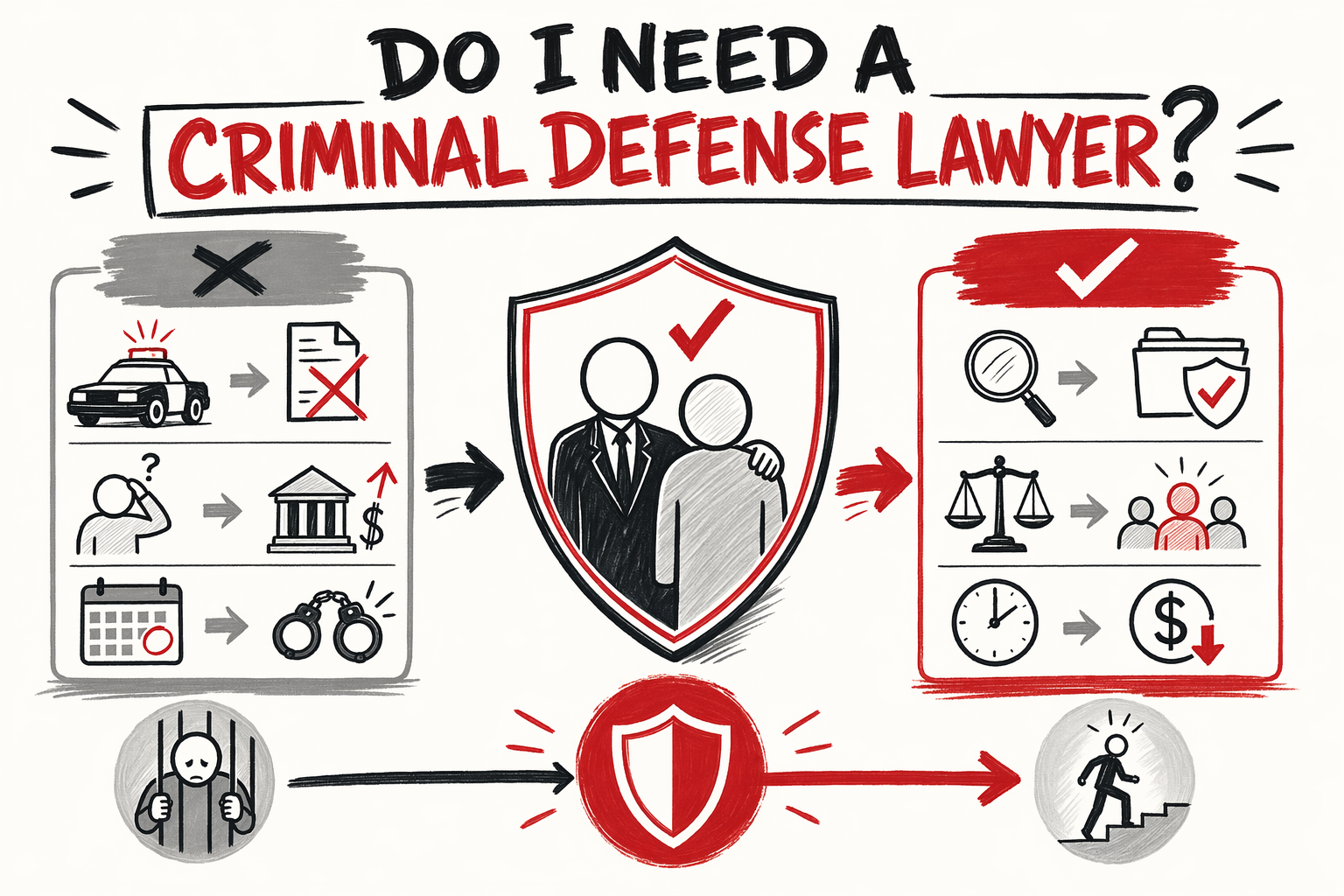
If police arrest you, give you a ticket to appear in court, or say you are under investigation, it is smart to talk to a criminal defense lawyer as soon as you can. A criminal case can move fast. What you say early on can affect what happens later.
A defense lawyer helps protect your rights, explains the court process, and speaks for you with the prosecutor and the judge. If you are not sure where to start, you can get matched with an independent defense attorney. GuardLine Defense is not a law firm, does not give legal advice, and does not form an attorney-client relationship.
When you should get a lawyer
Many people think they only need a lawyer for a serious felony. That is not true. Even a misdemeanor can lead to jail, fines, probation, a criminal record, license problems, job trouble, and immigration consequences. If you are not a US citizen, even a small case can create big risks. Try to get a defense lawyer who understands how criminal charges can affect immigration status.
- You were arrested or taken to jail.
- Police want to question you.
- You got a court date, summons, citation, or notice to appear.
- You are charged with DUI, domestic violence, drug possession, theft, assault, or any felony.
- The alleged victim has injuries, or there is a protection order.
- You are on probation, parole, or have an old case already.
- You are not a US citizen, have a visa, green card, DACA, TPS, asylum case, or any immigration process pending.
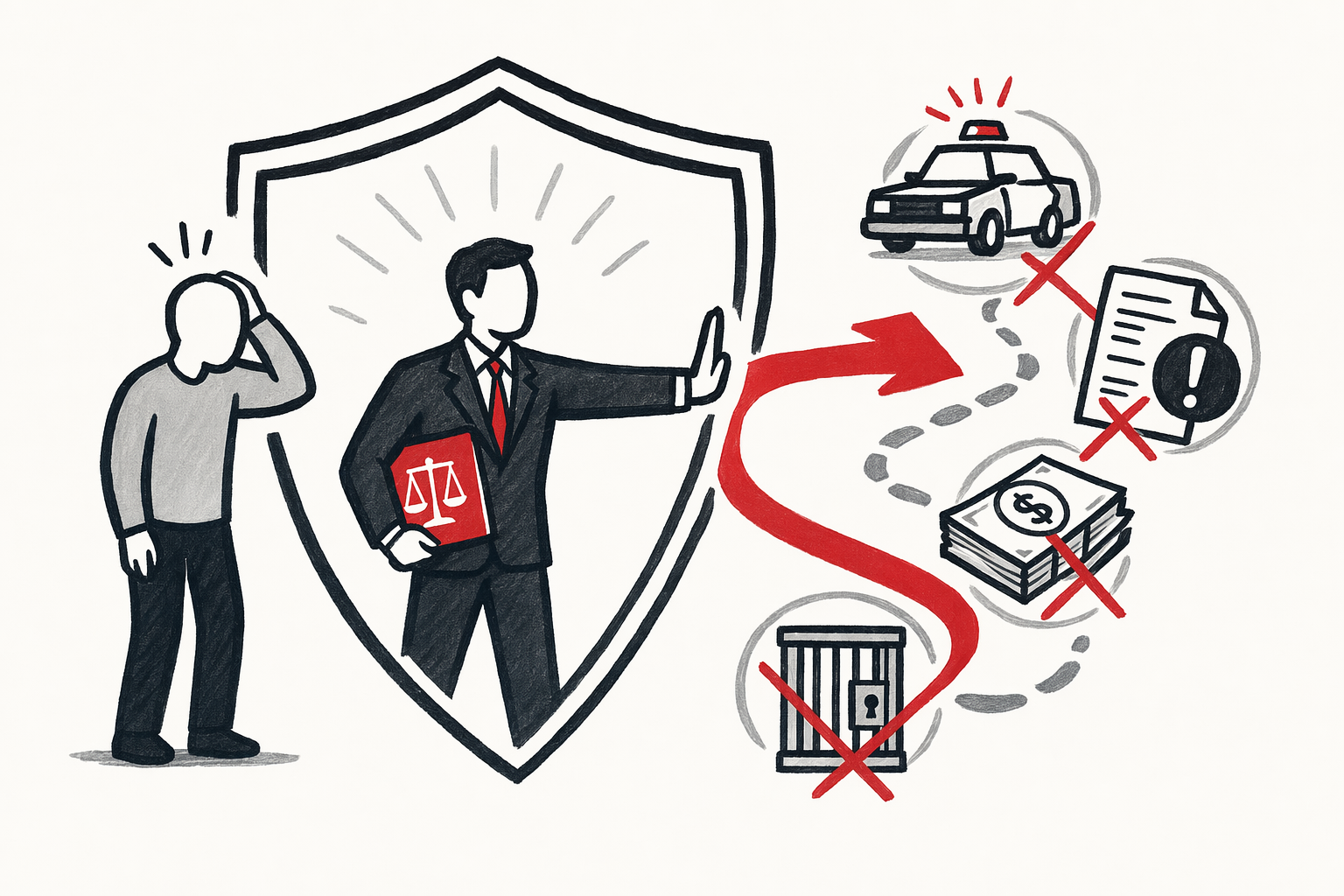
You should also get legal help if you think the police made a mistake. Maybe they searched your car, your phone, or your home. Maybe they pressured you to talk. Maybe you did not understand what was happening because of language problems. A lawyer can look at what happened and see whether your rights were violated. You can also read more on your rights after arrest.
What a criminal defense lawyer actually does
A criminal defense lawyer does much more than stand next to you in court. A good lawyer learns the facts, checks the evidence, explains the charges in plain language, and helps you make informed choices. The lawyer is there to protect your rights at each step.
- Explains the charge and the possible penalties.
- Tells you what the next hearing is for and what to expect.
- Speaks to the prosecutor about the evidence and possible resolutions.
- Looks for weak points in the case, missing proof, bad searches, or unreliable witnesses.
- Asks for police reports, videos, lab results, and other records.
- Files motions when needed, such as motions to suppress evidence.
- Helps you decide whether to fight the case, negotiate, or prepare for trial.
- Speaks for you in court so you do not have to guess what to say.
If your case is more serious, such as a violent offense or a charge that may be filed as a felony, the stakes are higher. Prison time, firearm limits, long probation, and deportation risks may all be part of the picture. You can learn more about felony defense if that is what you are facing.
A lawyer cannot erase the stress, but a lawyer can help you understand the process and avoid mistakes that can hurt your case.
For immigrants, one important job of a defense lawyer is to see whether a plea or conviction could affect immigration status. Not every defense lawyer handles immigration law, and GuardLine Defense is not an immigration law service. Still, because criminal cases can carry immigration consequences, it is wise to ask for a defense lawyer who understands those risks. That is not a promise of any result. It is just an important step.
What can happen if you go without a lawyer
Some people try to handle a criminal case alone because they want to save money, they think the charge is minor, or they are ashamed and do not want to ask for help. That choice can be risky. Court rules are strict. Prosecutors handle criminal cases every day. Most people do not.
- You may say something in court that hurts your case.
- You may miss a deadline, filing, or court date.
- You may not know when to object or what evidence to ask for.
- You may accept a plea without understanding the full consequences.
- You may not see defenses that a trained lawyer would spot.
- If you are not a citizen, you may miss serious immigration risks tied to a plea or conviction.
If you cannot afford a lawyer, you may be able to ask the court to appoint a public defender. Eligibility depends on your income and the type of case. If the court appoints one, that lawyer is still your defense lawyer. If you want to look at general information first, visit our learn center.
How to decide what to do next
If police have contacted you or you have a court date coming up, the safest move is to speak with a criminal defense lawyer soon. Bring any papers you have. Save texts, photos, videos, and names of witnesses. Write down what happened while it is still fresh in your mind. Then stop talking about the case with other people, especially online.
- Read every paper you received from police or the court.
- Find your next court date and do not miss it.
- Do not discuss the facts of the case with police without a lawyer.
- Ask whether the charge could affect your immigration status.
- Ask about possible penalties, deadlines, and what the next hearing means.
- Get help quickly, because early decisions matter.
You do not need to know legal words to ask for help. You can simply say, "I was arrested," "I have court next week," or "Police want to talk to me." If you want, you can get matched with an independent criminal defense attorney. Taking that step does not guarantee an outcome, but it can help you understand your options and protect your rights.
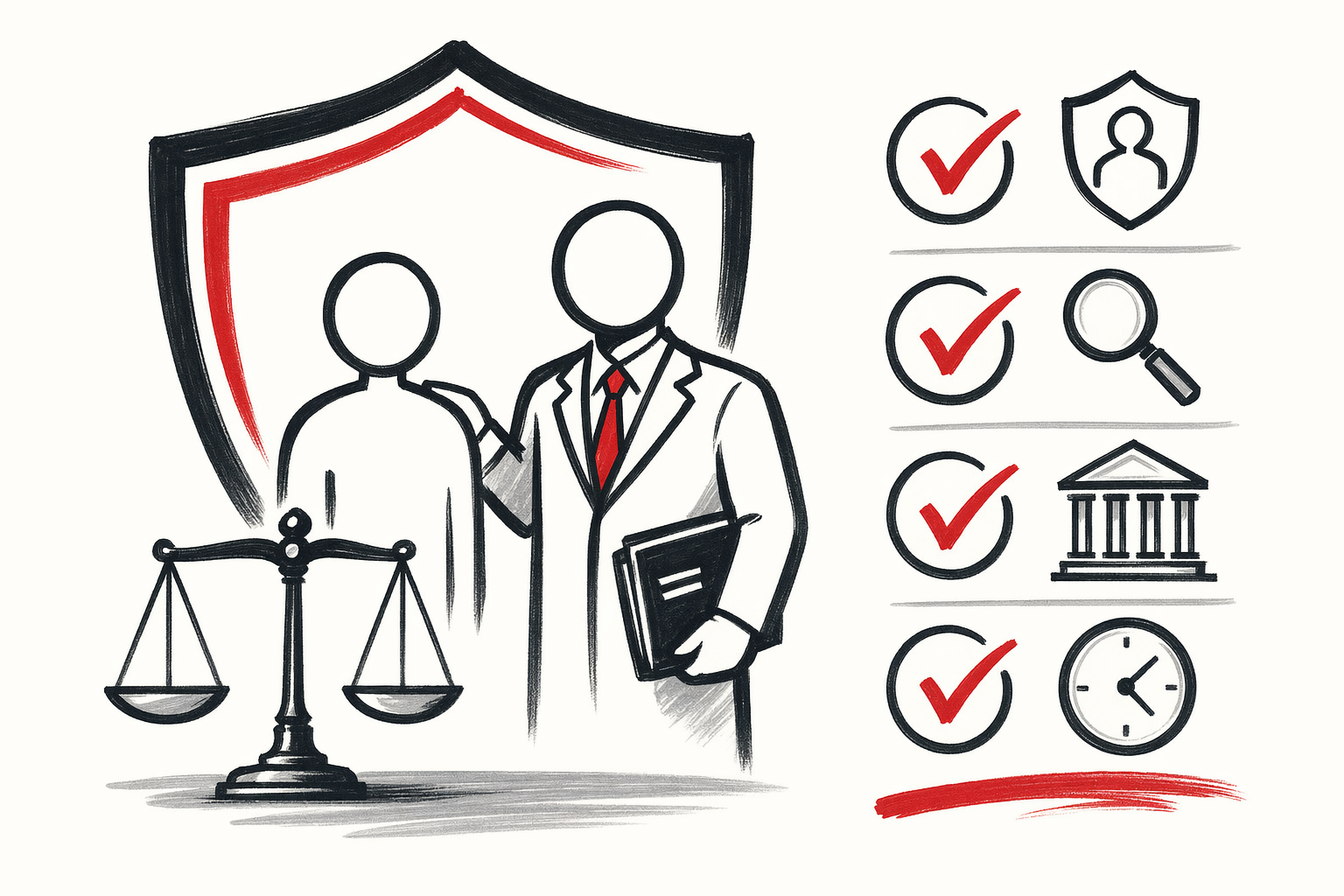
If you are facing a criminal charge, getting a defense lawyer early can help protect your rights and help you avoid costly mistakes.