Do i have to answer police questions?
Usually, no. In the U.S., you have the right to remain silent. If police want to question you, you can say you want to stay silent and ask for a lawyer.
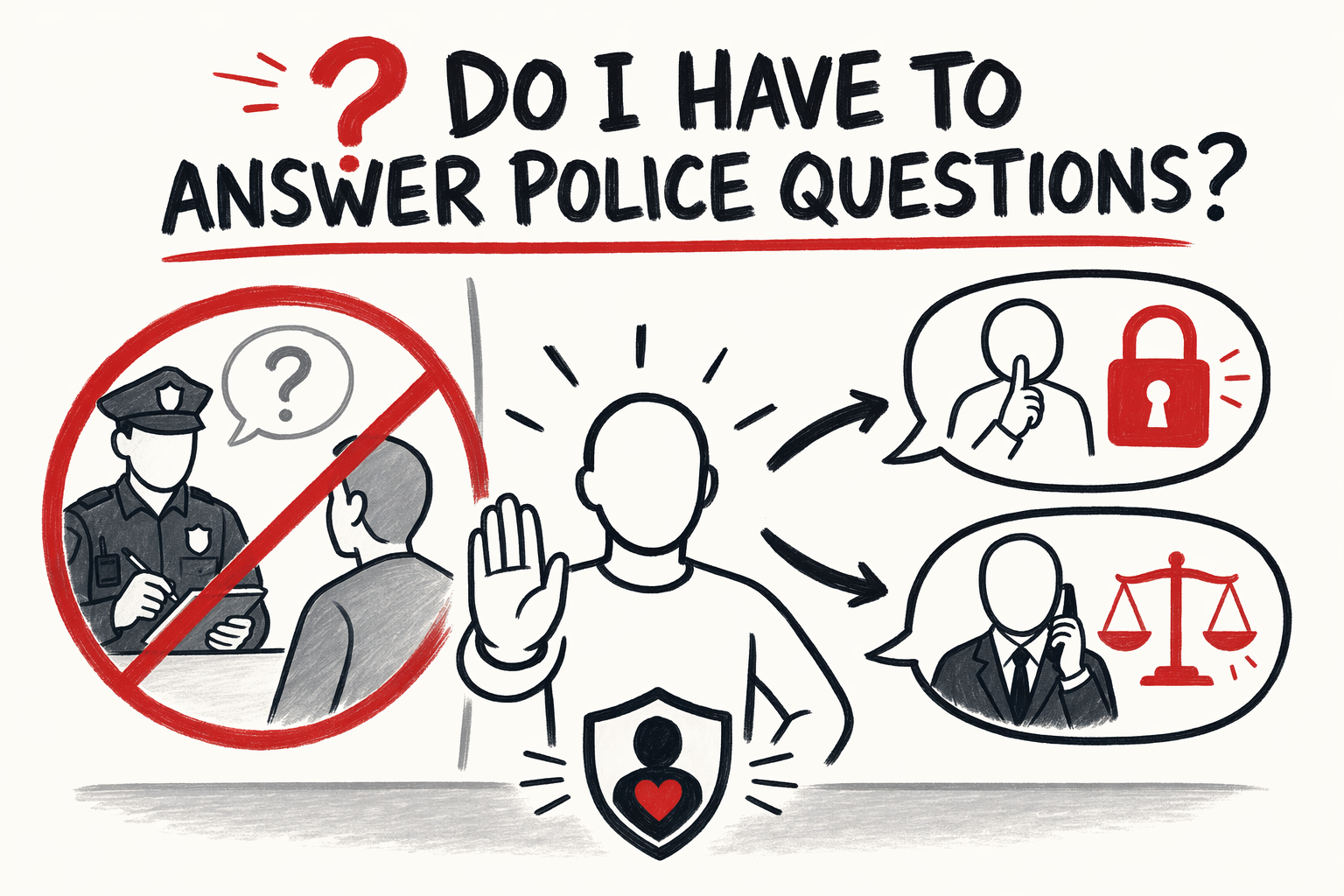
If police stop you or arrest you, you may feel pressure to explain. That is normal. But in most situations, you do not have to answer questions about where you were, what happened, or whether you broke the law.
A criminal case can affect your immigration situation. Try to get a defense lawyer who understands immigration issues. GuardLine Defense is a free attorney-matching service, not a law firm. We do not give legal advice. You never pay us, and we never take a percentage of any attorney's fees. If you want help finding a lawyer, you can get matched.
What you can say to police
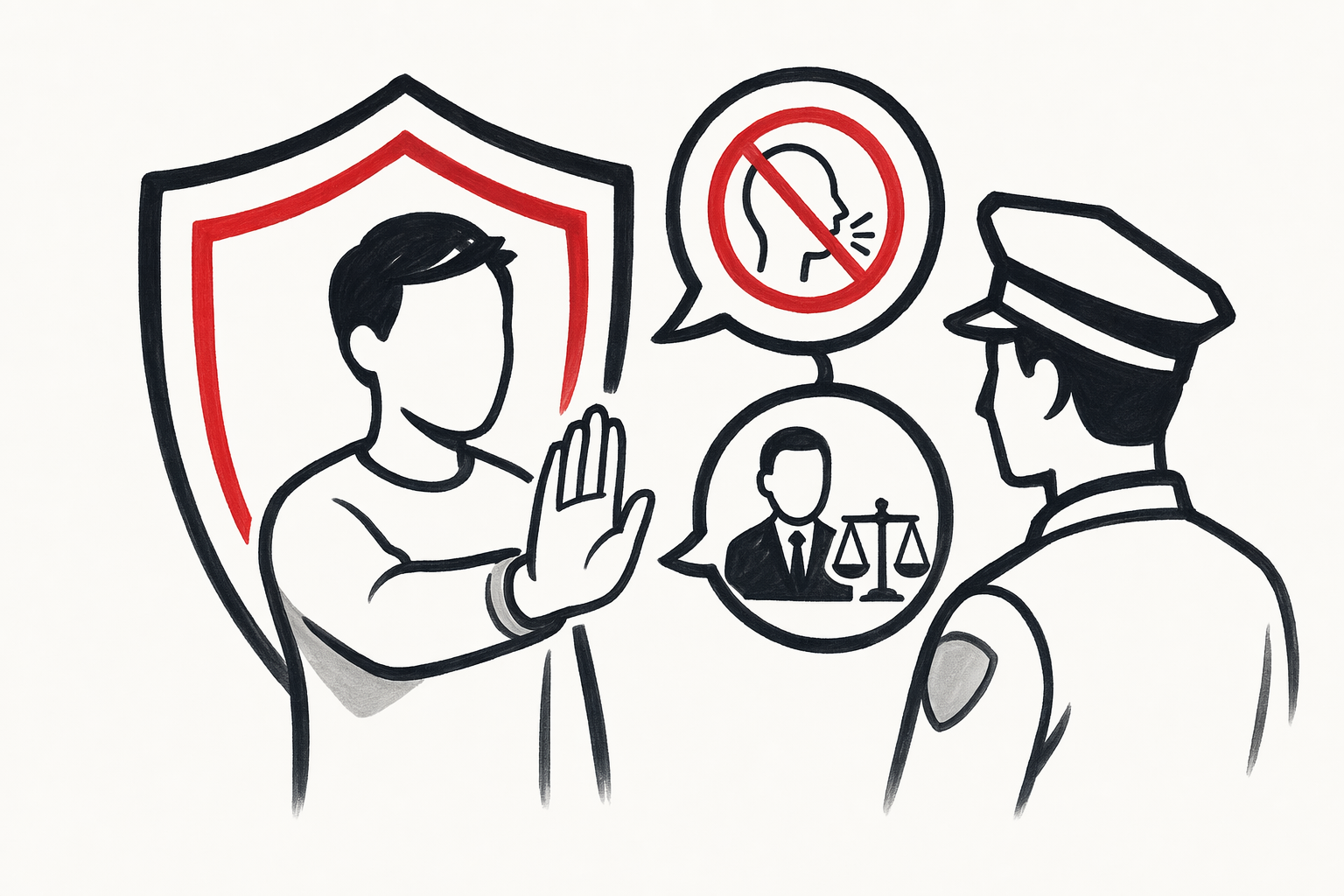
You have the right to remain silent, no matter your immigration status. A simple answer is often best. You can say, "I want to remain silent. I want a lawyer." Then stop talking.
Be calm. Keep your hands where police can see them. Do not run. Do not argue on the street. You can protect your rights without fighting or giving extra details.
- "I want to remain silent."
- "I want to speak to a lawyer."
- "I do not want to answer questions."
When you may need to give basic information
In some situations, police may ask for basic identifying information, such as your name or date of birth. State laws can differ. But that is very different from answering questions about the event, another person, drugs, weapons, or where you came from before police arrived.
If you are driving, police may ask for your license, registration, and insurance. Give required documents if you have them. You still do not have to answer questions like, "Have you been drinking?" or "Where are you coming from?"
Why staying silent can protect you
People often think, "If I explain, this will go away." Sometimes that leads to trouble. Stress, fear, and limited English can cause mistakes. Police may misunderstand your words. Small details can be written in a report and later used against you in court.
This is even more serious for immigrants. A criminal matter can carry immigration consequences. A plea or statement that seems minor can affect visas, green cards, or future immigration steps. That is why it is important to ask for a defense lawyer, and if possible, one who understands immigration concerns. GuardLine Defense is not an immigration law firm and does not give immigration advice.
You do not need to explain your side on the spot. You can wait and speak with a lawyer first.
What to do after an arrest or police questioning
If police arrest you, keep using the same short words. Say you want to remain silent and want a lawyer. Do not discuss your case in the patrol car, at the station, on the phone, or with other people in jail. Calls and conversations may be recorded or repeated.
- Stay calm and do not resist.
- Give basic identifying information if required.
- Say, "I want to remain silent. I want a lawyer."
- Stop answering questions about the case.
- Ask for language help if you need it.
- Try to contact family or a trusted person to help you find a lawyer.
If you already have a court date or were charged with a serious offense, it may help to read more about your rights after arrest. If the charge is severe, you can also learn about felony defense and what a defense lawyer may handle.
If police are pressuring you, remember this. You do not have to prove your innocence in that moment. You can use your rights. A lawyer can help you decide what should be said, when it should be said, and how to protect both your criminal case and your future.
You usually do not have to answer police questions about a crime, and you can say you want to stay silent and ask for a lawyer.