Difference between felony and misdemeanor
A misdemeanor is usually less serious than a felony, but both can lead to jail, fines, and immigration problems. If you are charged, stay calm, use your rights, and try to speak with a defense lawyer fast.
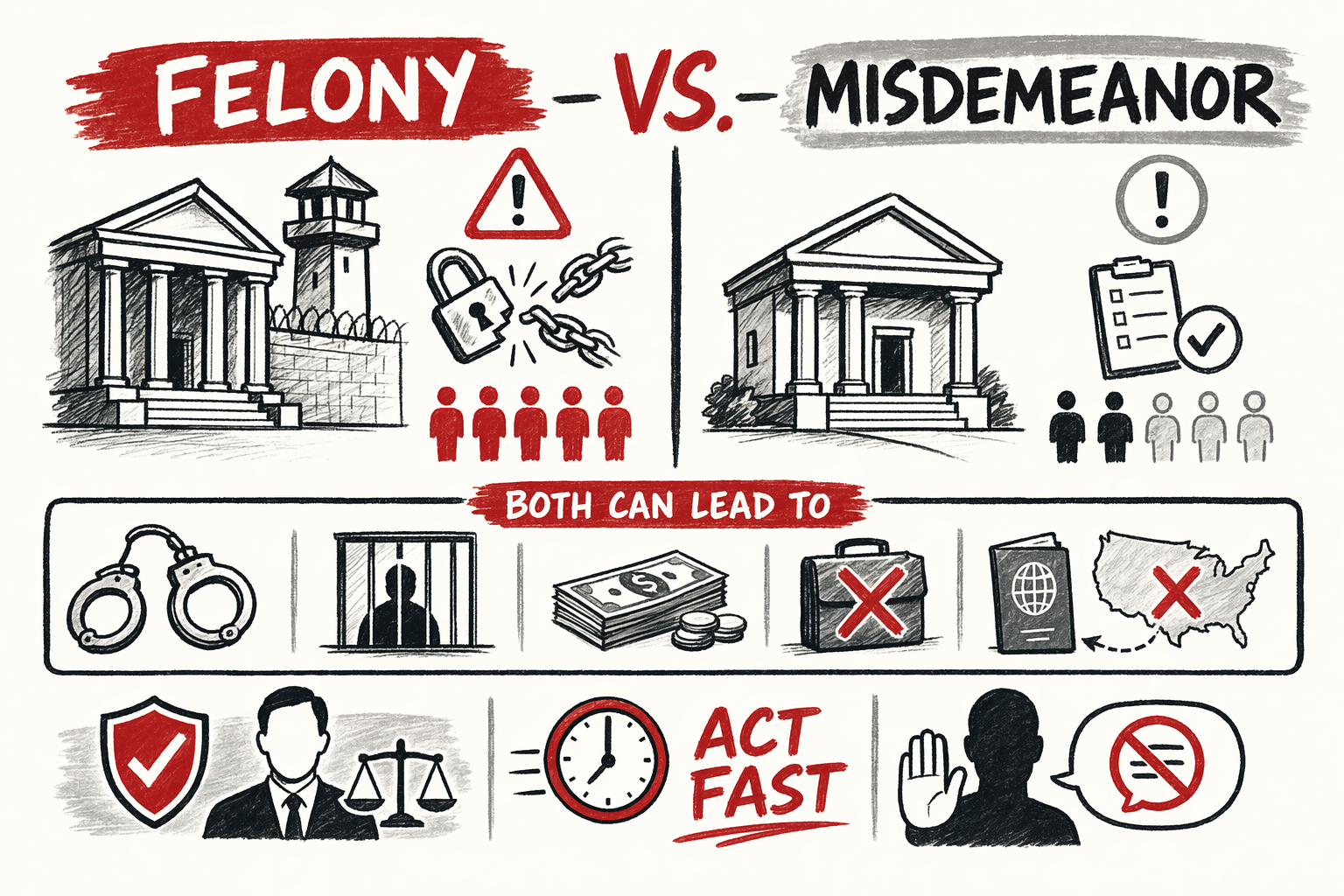
In the U.S., crimes are often grouped into two main levels, misdemeanors and felonies. The difference can affect jail time, court steps, and your future, including possible immigration consequences.
If you were arrested or told to come to court, do not guess what the charge means. You can learn your rights after arrest and you can get matched with an independent criminal defense attorney. GuardLine Defense is not a law firm and does not give legal advice.
What is a misdemeanor?
A misdemeanor is usually a less serious criminal charge than a felony. Common examples can include simple assault, petty theft, trespassing, disorderly conduct, or a first drunk driving charge in some states. State law matters, so the same conduct may be charged differently in different places.
A misdemeanor can still be serious. A person may face up to 1 year in a local jail, fines, probation, classes, community service, or a criminal record. Some misdemeanors also bring protective orders, license problems, or trouble finding work and housing.
What is a felony?
A felony is usually a more serious criminal charge. Examples can include robbery, burglary, many gun charges, serious drug charges, and some assault charges. In many states, a felony can lead to more than 1 year in prison. The sentence may be served in state or federal prison, depending on the case.
Felony cases often move more slowly and may have higher stakes. The penalties can include prison time, large fines, long probation, and loss of certain civil rights. A felony record can affect jobs, housing, school, and professional licenses for years.
If you are facing this kind of charge, it can help to speak with a lawyer who handles serious criminal cases. You can read more about felony defense and then decide your next step.
Why the difference matters
The label matters because it can change almost everything in a case. It can affect bail, how prosecutors handle plea offers, what sentence is possible, and how a judge views risk. It can also change what records follow you later.
- A misdemeanor usually carries lower maximum penalties than a felony.
- A felony usually brings a higher chance of prison time.
- Both can create a criminal record.
- Both can cause immigration problems, even if the charge sounds minor.
- The exact rules depend on the state, the facts, and your record.
What to do if you do not understand your charge
Many people hear a legal word in court and feel lost. That is normal. Ask for the exact charge name, the code section if available, and your next court date. Keep all papers in one safe place. Do not post case details on social media. Do not talk about the facts with police or anyone else except your lawyer.
- Ask what court you must go to and when.
- Ask whether the charge is a misdemeanor or felony.
- Save booking papers, release papers, and court notices.
- Write down the names of officers, witnesses, and the place of arrest.
- Try to speak with a criminal defense lawyer quickly.
If English is hard for you, ask for an interpreter in court. If police or court staff give you papers you do not understand, do your best to keep them and show them to a lawyer. Short deadlines can matter.
A charge is not a conviction. But waiting too long to get help can make things harder.
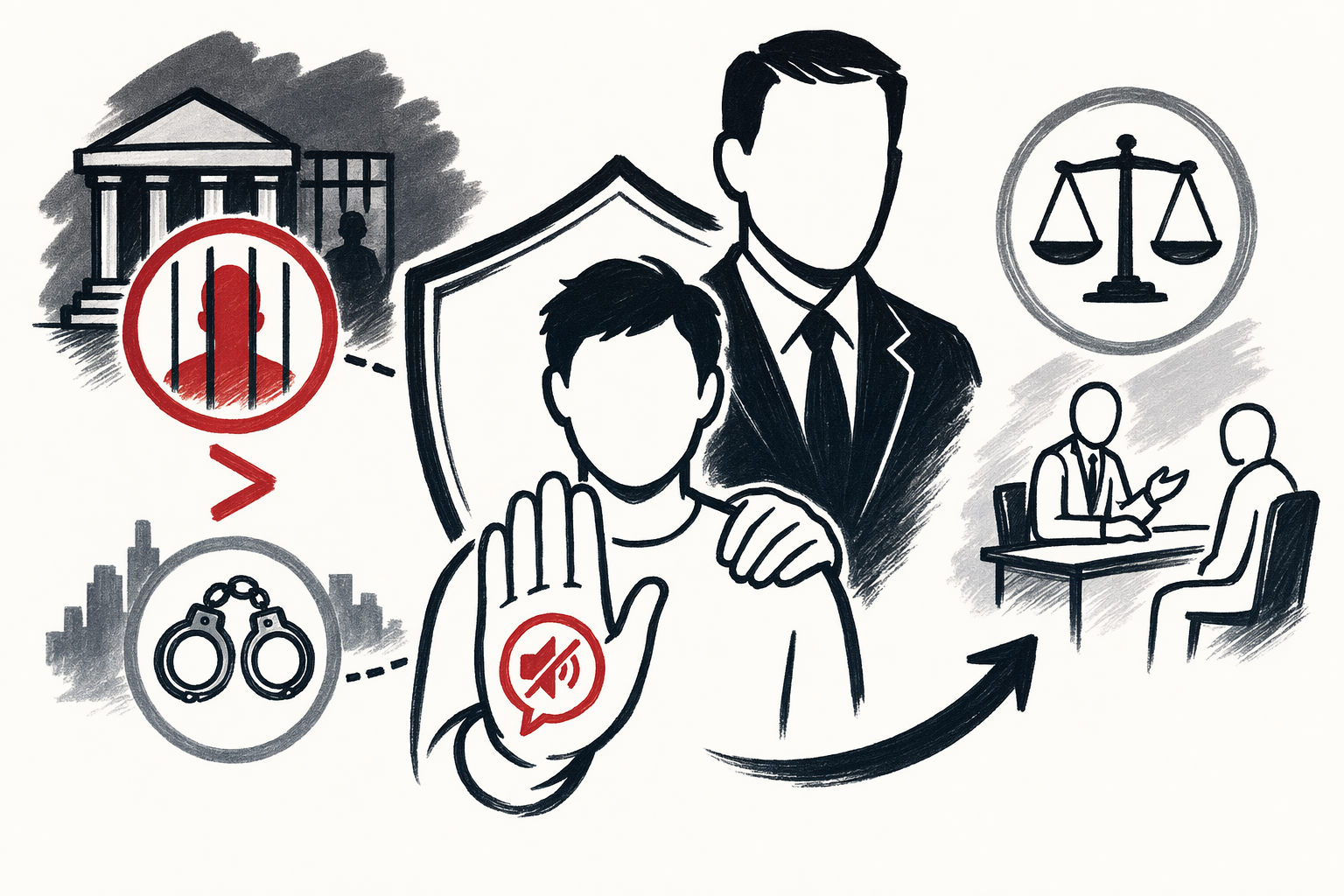
A felony is usually more serious than a misdemeanor, but both can have big criminal and immigration consequences, so get legal help fast and use your right to remain silent.